

 Military Times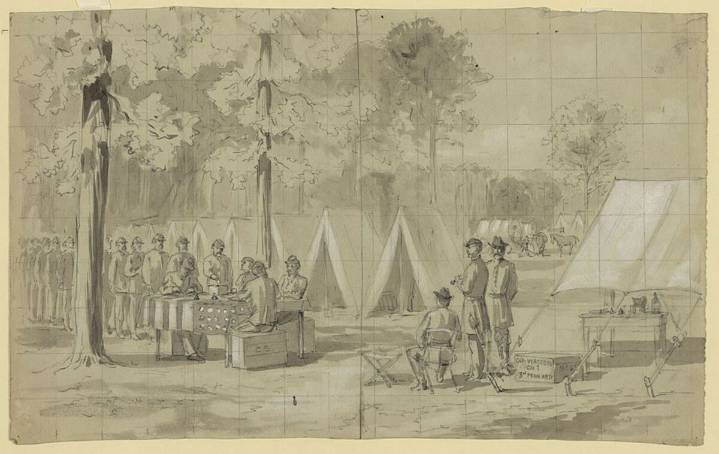
“We cannot have free government without elections,” President Abraham Lincoln reflected outside the White House on Nov. 10, 1864. “And if the rebellion could force us to forego or postpone a national election it might fairly claim to have already conquered and ruined us.”
By the fall of 1864, the United States had been engulfed in a civil war for nearly 44 months, with “the bones of thousands of Northern boys [lying] in Southern graves or decayed unburied in the thickets and swamps of Dixie,” writes historian Gerald Swick .
For Lincoln — and for the Union — the outcome of the 1864 presidential election hung in the balance. If voters rejected Lincoln, the war to save the Union would almost certainly be lost. According to Swick, Peace Democrats, Lincoln’s chief political opposition, wa

 Associated Press Top News
 Reuters US Top