

 USA TODAY National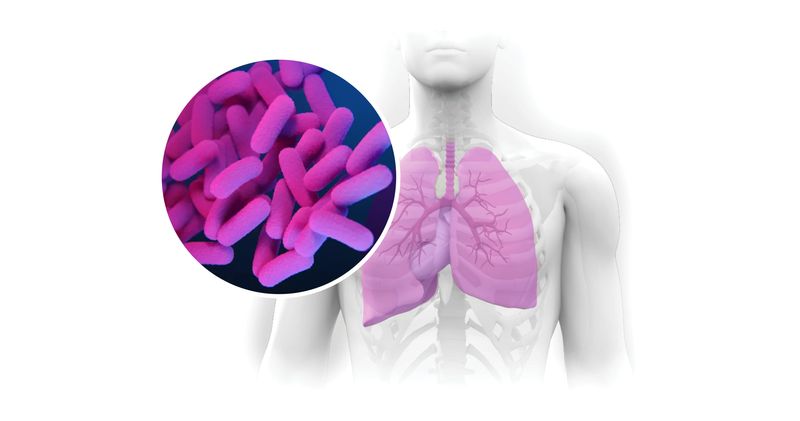
There have been over 25,000 reported cases of whooping cough in the United States, according to updated federal data so far this year, ABC News reports. The number of cases is significantly higher than it was before the COVID-19 pandemic. According to Centers for Disease Control and Prevention data, there were over 18,600 instances of whooping cough in 2019.
According to health professionals, declining vaccination rates, declining immunity and slow public health monitoring systems are the main causes of the most recent increase in pertussis cases.
"Pertussis cases increase in a cyclical fashion driven by waning immunity," Dr. Demetre Daskalakis, former head of the CDC's immunization program, told CBS News.
"But the size of the outbreak and the potential for severe outcomes in children who cannot be vaccinated can be mitigated by high coverage and good communication to folks at risk," he added.
Childhood vaccinations on the decline
In contrast to nine states in the pre-pandemic school year, seventeen states had vaccination exemption rates of more than 5% in the 2024–2025 school year.
Change in whooping cough cases
Pertussis, or whooping cough, is a highly-contagious respiratory infection officials say has been spreading throughout the country "in part due to declining vaccination rates."
As of 2024, 35,435 cases of whooping cough have been identified in the U.S. and officials anticipate more cases before the end of 2025.
To prevent the illness from spreading, health officials also recommend washing hands often, covering coughs and sneezes and staying home when sick.
Signs and symptoms of whooping cough
All ages are susceptible to infection, although infants, especially those younger than six months, are particularly vulnerable to whooping cough. It may result in serious breathing problems that can call for hospitalization.
After being in close contact to an infected person, an estimated 80% of vulnerable individuals will get the disease. It usually takes five to 10 days after exposure for an infected person to show symptoms, but it can take up to 21 days, according to UCHealth.
Symptoms to look for:
Unable to view our graphics? Click here to see them.
Infants may not cough at all and not everyone with the virus will have a whoop-sounding cough. Instead, individuals might have trouble breathing or perhaps momentarily stop breathing.
Infants, pregnant women, healthcare professionals and immunocompromised individuals are especially prone to pertussis, which is why vaccinations against the illness are important.
Is there a treatment for whooping cough?
Antibiotics are typically used by doctors to treat whooping cough. Treating whooping cough as soon as possible, before coughing fits start, is essential, according to the CDC.
All infants, children and expectant mothers are advised to receive the whooping cough vaccination, also known as DTaP or Tdap, which offers protection against tetanus, diphtheria and pertussis (whooping cough), according to the CDC.
Since the introduction of the whooping cough vaccine in the late 1940s, the annual number of cases has drastically decreased, falling by more than 90% from the pre-vaccine period.
Contributing: Caroline Neal/Louisville Courier Journal
SOURCE: ABC News, CDC, Mayo Clinic, Cleveland Clinic, UCHealth and USA TODAY research
This story was updated to add new information.
This article originally appeared on USA TODAY: Whooping cough cases are rising in the US: A closer look.
Reporting by Janet Loehrke, USA TODAY / USA TODAY
USA TODAY Network via Reuters Connect

 Raw Story
 New York Post
 ABC News
 KCRA News
 Associated Press US and World News Video
 KWTX News 10
 CBS Sacramento Dixon News
 AlterNet
 The Atlantic