

 USA TODAY National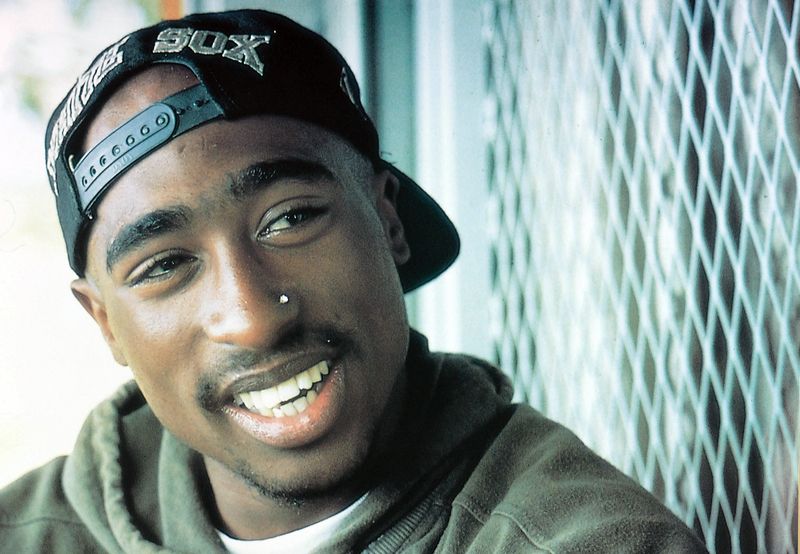
50 Cent's new documentary chronicling the rise and fall of Sean "Diddy" Combs hit Netflix Tuesday, complete with bombshell revelations, never-before-seen footage and insider interviews.
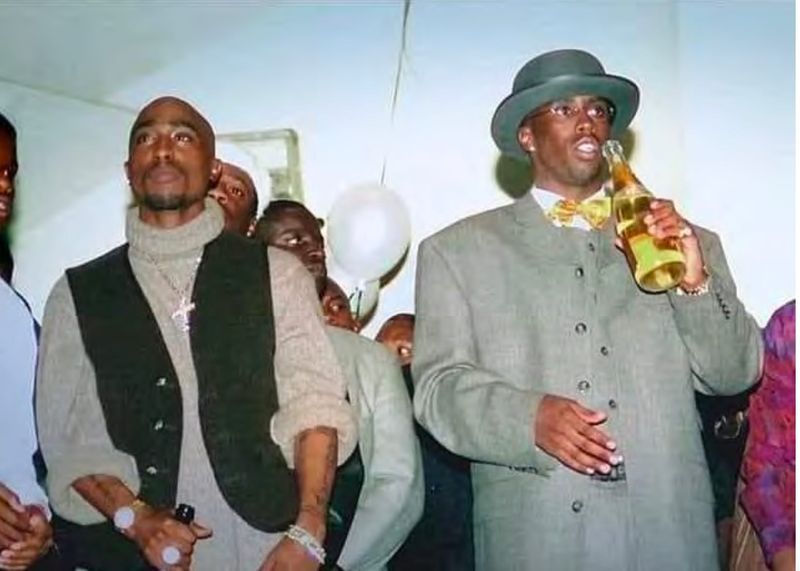
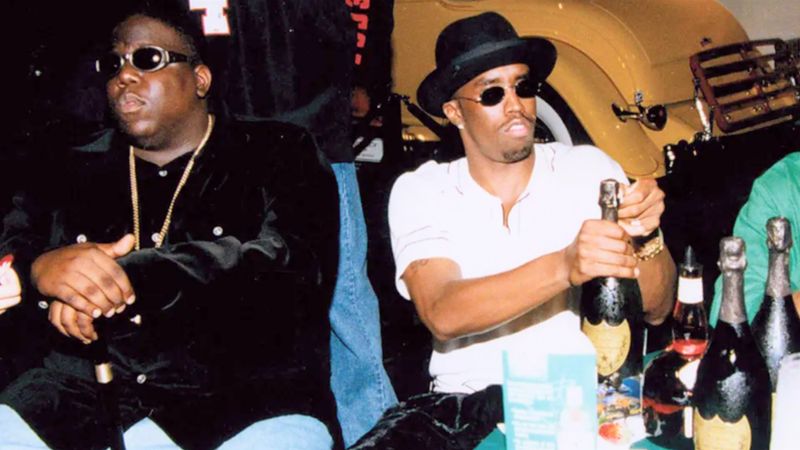
In the second episode of "Sean Combs: The Reckoning," a multi-part docuseries streaming Dec. 2, a cohort of former Bad Boys Records employees and artists unravel a behind-the-scenes version of the killings of rappers Biggie Smalls and Tupac Shakur, alleging through the process that Combs was deeply involved in both.
With testimony from rapper Mark Curry, rapper Craig Mack's ex-wife Roxanne Johnson and Bad Boy cofounder Kirk Burrowes, the documentary alleges that Combs ripped off artists and escalated the East-West rivalry at the center of hip-hop in the '90s.
"I think Sean had an envy for his own artists, he was jealous of their talent," Burrowes said. He alleged Combs forced him to sign over his 25% stake of the stock in the label they cofounded by threatening him with a baseball bat.
The episode dives into the rivalry between Combs' Bad Boy and Suge Knight's Death Row Records on the West Coast. Death Row boasted artists like Dr. Dre and later 2Pac, while Bad Boy was home to Biggie and later Faith Evans, 112 and Mase. Interviewees claimed that the rivalry wasn't really between the artists – it spun out of control after executives, particularly Combs, poured fuel on the fire.
Combs' team told USA TODAY in a statement that "Netflix's so-called 'documentary' is a shameful hit piece." Combs spokesperson Juda Engelmayer also told USA TODAY on Tuesday, Dec. 2, that the rapper's legal team would not be commenting "on individual claims being repeated in the documentary."
"Many of the people featured have longstanding personal grievances, financial motives, or credibility issues that have been documented for years," Engelmayer said. "Several of these stories have already been addressed in court filings, and others were never raised in any legal forum because they're simply not true. The project was built around a one-sided narrative led by a publicly admitted adversary, and it repeats allegations without context, evidence, or verification."
Engelmayer added, "Sean Combs will continue to address legitimate matters through the legal process, not through a biased Netflix production."
Diddy, Suge Knight label war turned into deadly turf war
The label war eventually bled into a gang war, the documentary argues, with the Crips on the side of Bad Boy and Biggie, and the Bloods on the side of Knight and Death Row. Combs was at the center of it all, the documentary alleges, connected to drug boss Duane "Keffe D" Davis through Eric Von Zip. Davis is currently awaiting trial for the killing of Shakur.
Von Zip, who Combs claimed was his uncle, loomed large in the New York gang scene. In recordings accompanied by commentary from former Los Angeles Police Department detective Greg Krading, Davis can allegedly be heard recounting how he and nephew Orlando Anderson pulled off the 1996 Las Vegas shooting of Shakur.
Davis alleged that Combs had agreed to pay him and other gang members to do away with Shakur and Knight, who was in the car the night of the shooting. The money never materialized, he alleged, in part because Knight wasn't killed and because it was funneled through Von Zip, who has since died.
"I think that Sean now in my mature mind had a lot to do with the death of Tupac," Burrowes said. He claimed that following the shooting, the Bad Boys crew knew it was dangerous to be in Los Angeles but that Combs pushed them to go anyway.
He urged Biggie Smalls, real name Christopher Wallace, to go to LA for promotion for his album against the rapper's wishes, Burrowes argued. Wallace was shot and killed during that trip in 1997.
"He ushered Biggie to his death," Burrowes argued, claiming in later years that Combs lied about the artist's desire to be in Los Angeles, alleging it was Biggie's idea and not his own.
In September, USA TODAY uncovered court files in which Davis, a former LA gangbanger, claimed that Combs put a $1 million bounty on the heads of Shakur and Knight. Combs denied the allegations.
Burrowes also alleged that in the aftermath of Wallace's death, Combs threw a massive funeral but made the charges recuperable to the rapper in death, so Wallace was essentially paying post-mortem for his own funeral. Burrowes was later fired, he said, for refusing to change the terms of Biggie's contract after his death to be more favorable to Bad Boy.
Archival footage of Wallace's mother, Voletta Wallace, shows her casting blame on the rap war at the center of the shooting.
"All it was was a Puffy and Suge Knight war," she said.
This article originally appeared on USA TODAY: 50 Cent Diddy documentary alleges blame for Biggie, Tupac deaths
Reporting by Anna Kaufman, USA TODAY / USA TODAY
USA TODAY Network via Reuters Connect

 The Hollywood Reporter
 Cover Media
 TMZ
TMZ Raw Story
 Atlanta Black Star Entertainment
 Slate Culture
 New York Post
 Daily Voice
 KHOU 11 Politics