

 Inside Precision Medicine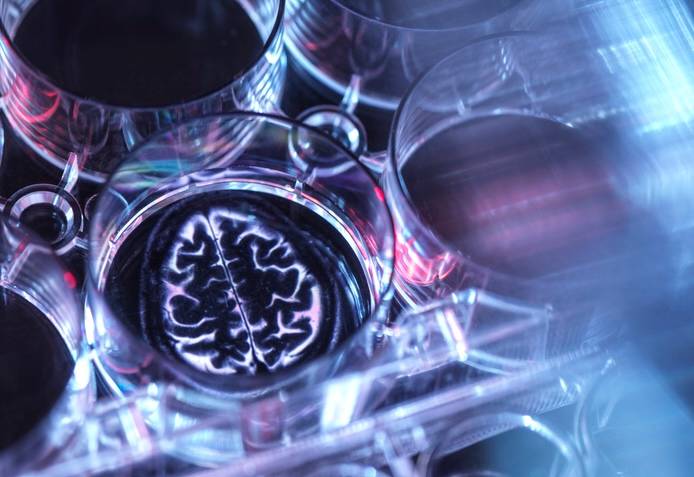
In a landmark effort to decode the cellular roots of childhood neurodevelopmental disorders (NDDs), researchers have built one of the largest publicly available stem-cell resources of its kind—an expansive biobank of induced pluripotent stem cells (iPSCs) and human brain organoids derived from genetically diverse patients. The atlas, published in Cell Stem Cell , accurately reflects the cellular phenotypes, providing data to understand how many genetic changes affect human brain development.
NDDs are present in approximately 25% of all chronic pediatric disorders, collectively imposing an enormous toll, accounting for over $400 billion in annual U.S. healthcare costs and lost wages. Affecting more than four percent of children, NDDs span an enormous diagnostic and genetic landscap

 America News
 Raw Story
 NBC News
 Associated Press US and World News Video
 KLCC
KLCC CNN Health
 CNN
CNN WBAL-TV 11 Baltimore Sports