

 Reuters US Top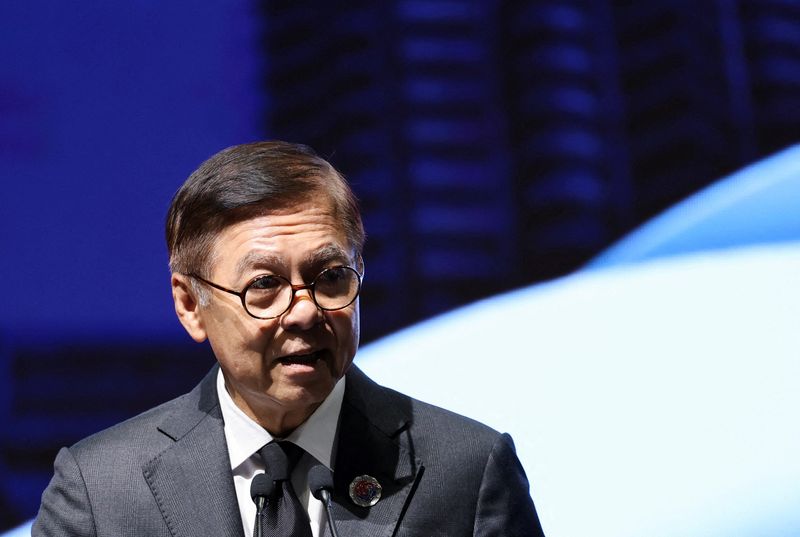
By Devjyot Ghoshal
BANGKOK, Dec 9 (Reuters) - The threat of tariffs should not be used to pressure Thailand to start talks with Cambodia and halt renewed border fighting, the Thai foreign minister told Reuters on Tuesday, underlining that it was up to its neighbour to de-escalate the conflict.
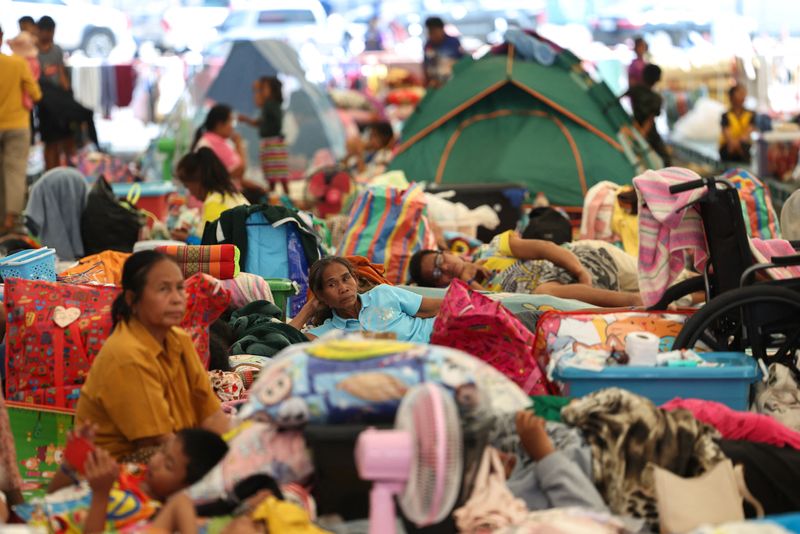
Hostilities re-ignited on Monday after weeks of simmering tensions, killing at least 12 people and forcing hundreds of thousands to flee border areas, with both Southeast Asian nations accusing the other of firing the first shots.
The violence was the worst between the two neighbours since July, when U.S. President Donald Trump intervened by warning that negotiations for lower trade tariffs would be frozen unless both sides stopped hostilities. That led to an expanded ceasefire signed in October in Trump's presence.
"We don't think tariffs should be used to pressure Thailand to get back to the joint declaration, to get back to a dialogue process," Sihasak Phuangketkeow said in an interview in Bangkok, referring to the enhanced ceasefire agreement.
"You have to separate the issue of Thai-Cambodia relations from the issue of the trade talks."
Monday's clashes have since expanded across much of their 817-km (508-mile) land border, with exchanges of heavy artillery and rockets.
Trump has yet to comment on the renewed fighting but an administration official on Monday said the president was "committed to the continued cessation of violence and expects the governments of Cambodia and Thailand to fully honour their commitments to end this conflict".
Sihasak said the current situation with Cambodia was not conducive for third-party mediation, insisting that Phnom Penh would have to show sincerity and make the first move.
"If the other side feels that they want to really end the conflict, then we're waiting to listen to what they have to say," he said.
"What Cambodia can do is stop what they're doing," he added, "and say that they're ready to have talks."
A spokesman for Cambodia's foreign ministry did not immediately respond to a request for comment.
PATH OF PEACE OR MORE CONFLICT
Cambodia insists that it is seeking to abide by the ceasefire and the expanded agreement signed in October, charging Thailand with aggression.
Hun Sen, the country's influential former leader, said on Tuesday that Cambodia had waited 24 hours to honour the truce before launching counter-attacks overnight.
Unless Cambodia stopped hostilities and came to the table, Sihasak warned that the situation could worsen, even as Thailand deployed its superior weaponry, including fighter jets, to strike across the border.
"There are two paths that we can take: the path of trying to reduce tension and work towards peace, or the path of more conflict and more losses," he said.
Thailand has repeatedly accused Cambodia of violating the October agreement, and pulled out of the pact last month after a landmine blast along the border maimed a Thai soldier.
Seven Thai soldiers have been seriously wounded by landmines that Bangkok claims have been freshly planted, a charge that Phnom Penh denies.
Some of these mines on the frontier were likely newly laid, Reuters reported in October, based on expert analysis of material shared by Thailand's military.
Sihasak said that any ceasefire offer from Cambodia, however, would have to be vetted by the Thai armed forces, which said on Monday that it had set a target of crippling Cambodia's military capability.
"My position is we will defend and we will take whatever (step) is necessary to defend sovereignty, territorial integrity," Sihasak said.
(Reporting by Devjyot Ghoshal; Editing by Martin Petty, William Maclean)

 Reuters US Domestic
 Raw Story
 CNN
CNN Associated Press US and World News Video
 Associated Press US News