

 CNN
CNN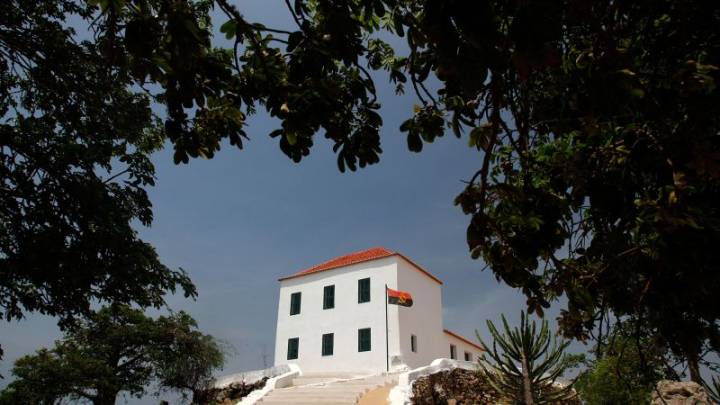
On the outskirts of Luanda, in a centuries-old white house on a hill, a small museum documents one of the greatest horrors of human history. Luanda, the Angolan capital, was the epicenter of the Atlantic slave trade. Now its National Museum of Slavery is working to become a place where the descendants of slaves can return — not only to learn about the history, but to dig into archives that might help trace their ancestry.
The Museu Nacional da Escravatura (National Museum of Slavery) sits on the site of the one-time estate of Álvaro de Carvalho Matoso, a Portuguese man who enslaved so many people that he’s said to have won a commendation for it.
From the 1400s through 1867, an estimated 12.5 million people were enslaved across Africa and transported across the Atlantic. Researchers bel

 Hawaii News Now
 Associated Press US and World News Video
 ScienceAlert en Español
 Newsday
 The Journal Gazette
 KCRA News
 IFL Science
 WKYT
WKYT Detroit Free Press