

 CNN Health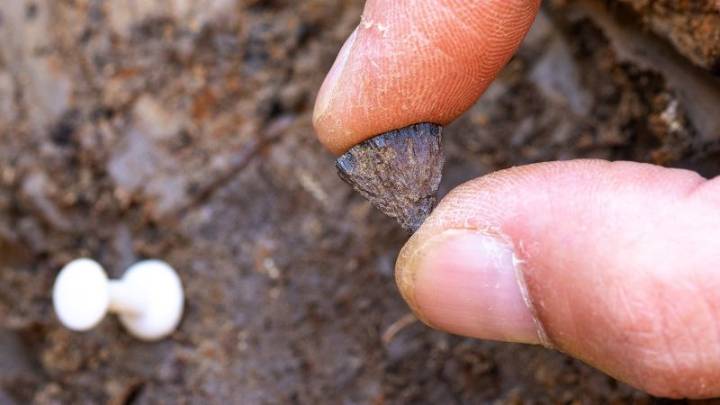
A fragment of iron pyrite was first discovered in 2017 at the site in Barnham, Suffolk. Jordan Mansfield
A field in eastern England has revealed evidence of the earliest known instance of humans creating and controlling fire, a significant find that archaeologists say illuminates a dramatic turning point in the human story.
In Barnham, Suffolk, the discovery of baked earth that formed a hearth, heat-shattered flint axes and two fragments of pyrite — a type of stone used to create sparks for lighting tinder — indicates that early humans, most likely Neanderthals, were able to make and maintain fires.
“This is a 400,000-year-old site where we have the earliest evidence of making fire, not just in Britain or Europe, but in fact, anywhere else in the world,” said Nick Ashton, curator of P

 AFP Top News
 ScienceAlert en Español
 Raw Story
 America News
 Bloomberg Law
 Axios
Axios OK Magazine
 The Shaw Local News Sports
 The Fashion Spot
 ABC 7 Chicago Sports
 KBTX News 3 Sports