

 104FM WIKY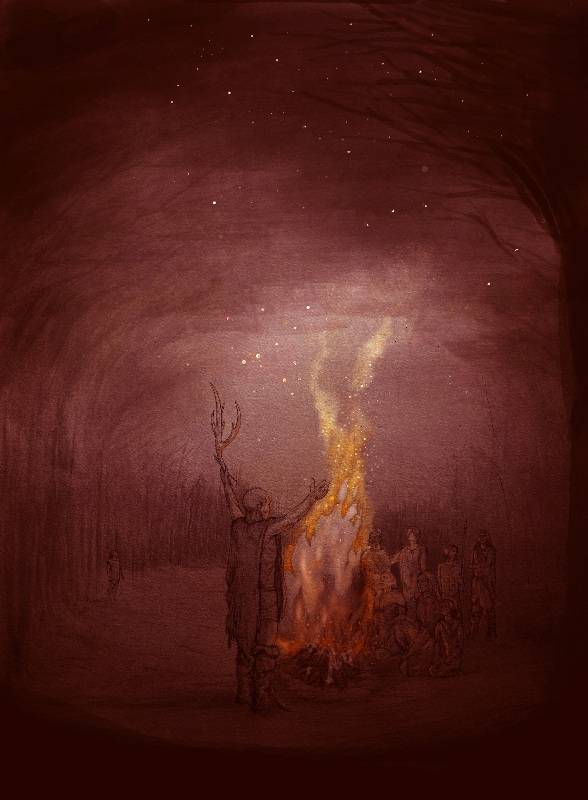
By Will Dunham
Dec 10 (Reuters) – Scientists have discovered the oldest-known evidence of fire-making by prehistoric humans in the English county of Suffolk – a hearth apparently made by Neanderthals about 415,000 years ago – revealing that this milestone for our evolutionary lineage occurred far earlier than previously known.
At an old clay pit for making bricks near the village of Barnham, the researchers found a patch of heated clay, some heat-shattered flint handaxes and two pieces of iron pyrite – a mineral that creates sparks when struck against flint to ignite tinder – that they identified as a repeatedly used campfire.
It was situated near a watering hole where these humans encamped.
“We think humans brought pyrite to the site with the intention of making fire. And this has hu

 Associated Press US and World News Video
 People Human Interest
 CNN
CNN WKYT
WKYT WBAY TV-2
 Newsday
 WOWT
WOWT Lake & Sumter Style Magazine
 KRWG Public Media
 Dakota News Now
 NFL Los Angeles Rams