

 Inside Precision Medicine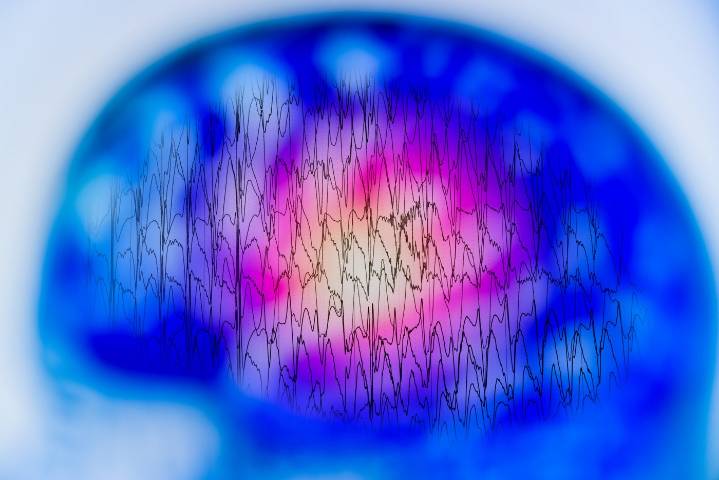
Researchers in the engineering and computer science department of Florida Atlantic University (FAU) report they have developed a deep learning model that uses electroencephalography (EEG) to differentiate Alzheimer’s disease (AD) and frontotemporal dementia (FTD), two conditions with similar symptoms but which damage different regions of the brain. The study, published in Biomedical Signal Processing and Control , details how the new method reduces signal noise from EEG readings to boost its accuracy by analyzing both frequency- and time-based brain activity patterns specific to each disease.
“What makes our study novel is how we used deep learning to extract both spatial and temporal information from EEG signals,” said first author Tuan Vo, a doctoral student at FAU. “By doing

 AlterNet
 East Idaho News
 Detroit News
 NBC Bay Area World
 KSLA News
 KCCI 8
 ScienceAlert en Español
 NewsChannel 5 Nashville
 Associated Press Top News
 Iron Mountain Daily Life