

 Associated Press US News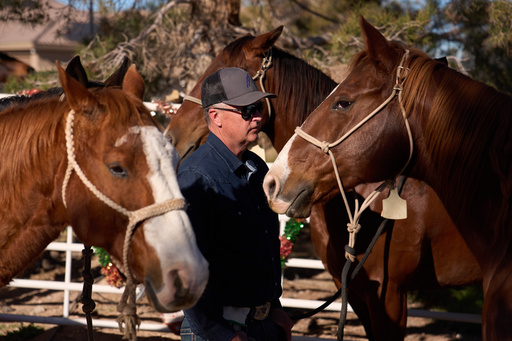

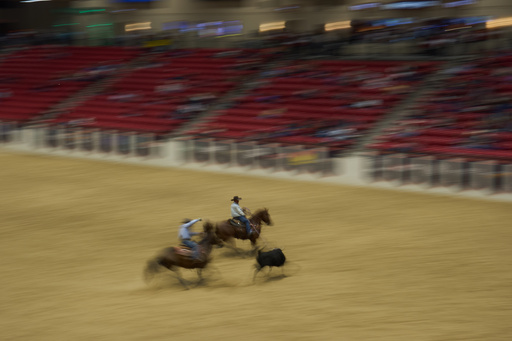
LAS VEGAS (AP) — Declaring Las Vegas a “cowboy town,” dozens of riders on horseback have traditionally kicked off the Wrangler National Finals Rodeo by galloping into the arena and then lining up their horses side by side as the riders tip their hats to cheers.
But an equine virus outbreak this year has loomed over one of the world's most prestigious rodeos and the threat was apparent from the start: Riders walked out during the grand entry on foot. Their horses were safely kept away with strict health precautions in place.
Other riders weren't able to bring their own horses to the event at all.
The equine herpesvirus 1, or EHV-1, has made its rounds in the past. But the outbreak was of particular concern this year, with cases in the U.S. on the rise as it coincided with the 10-day event that ends Saturday and draws thousands of horses and their riders. Horse hotels say their profits are down since fewer horses are participating, and some rodeo events were canceled.
In many cases, the virus causes coldlike symptoms such as runny noses and coughs. But it can also cause neurological problems, causing horses to stumble or lose the ability to stand and even lead to death, according to Peter Rolfe, the state veterinarian for Nevada.
Owners must take the temperature of their horses daily and minimize co-mingling with other horses, Rolfe said. If a horse does get sick, it'll be put in isolation immediately. The state will work with the owners to transport them back to their homes for quarantine.
The virus has spread across several states, infecting at least 60 horses so far, but there have been no cases in Nevada, according to the Equine Disease Communication Center. In most cases, the horses recover, though it can flare up with stress. But the mortality rate for those contracting the more serious neurologic form is 15% to 30%.
Kristine Weitz, owner of Fly Again Ranch Horse Boarding and Hotel, which offers stable space for horses competing around town, said the virus scared horse owners, and many have decided not to come this year.
“I think it just scared the bejesus out of everybody, and probably for everybody that boards horses here because none of us want our horses to die too,” she said.
Taylor Lawson wasn't taking any chances. She drove her two horses from New Waverly, Texas, for almost 22 hours without stopping. If her horses stepped hooves into states in between Texas and Nevada, they’d need new health paperwork and another vet check, she said.
“We just offered water when we stopped for diesel and checked their hay and drove straight through,” Lawson said.
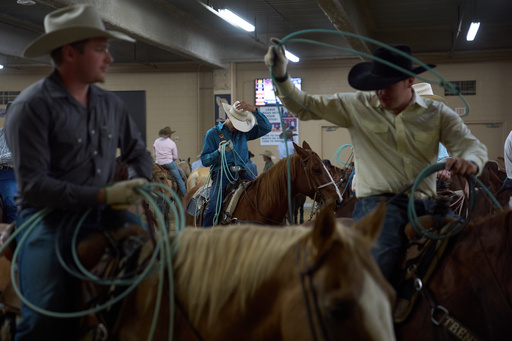
Since arriving in Las Vegas, Lawson has been cautious with her horses, making sure they’re not around other horses while at the roping events at South Point Hotel, Casino & Spa, an off-Strip casino that hosts dozens of amateur rodeo events during the National Finals Rodeo. Her horses, Hollywood and Elvis, were staying at Fly Again.
“I keep checking their temperatures morning and night, and as long as they’re eating and drinking water and acting normal, I’m not too worried about it,” Lawson said.
In an effort to curb the spread and keep track of the horses, Nevada requires entry permits for every horse entering the state, and a veterinarian must inspect and certify the horse has not been at a location with a confirmed case of the virus within the last 21 days.
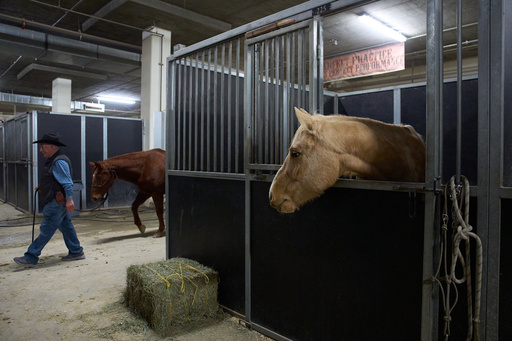
Rodeo organizers at the Thomas & Mack Center — where the official National Finals Rodeo takes place — added more restrictions. The over 450 horses staying on the property are required to remain there through the festivities, according to Allen Rheinheimer, general manager of production for NFR.
The rodeo, which draws more than 150,000 people annually, canceled group tours and limited the number of people allowed in the stables since people can carry the virus on their clothes or hands if they come into contact with a contagious horse. Walls were erected between stalls to ensure the horses can’t touch noses, and sanitizers were used to clean hoses after refilling water troughs, both of which are ways the virus can spread.
“Everybody needs to know that we’re doing everything we can to protect the horse, and protect the health of the horses and all livestock,” Rheinheimer said.
Similar precautions are in place for the nearly 3,500 horses staying at South Point.
The equestrian-centered hotel located about 8 miles (13 kilometers) south of the Strip did not have horses on its property for 17 days leading up to the rodeo events that started last week, said Steve Stallworth, South Point’s arena general manager.
It also canceled or modified a few events, including the horsemanship portion of the annual Miss Rodeo America Pageant, and the National Finals Breakaway Roping event, which has been rescheduled to take place in Fort Worth, Texas.
Staff disinfect and sanitize the stalls in between events with Synbiont, an agricultural wash, and horses have been spread out when possible, Stallworth said. If a horse does get sick, quarantine stalls are available on a far corner of the South Point property. The horse will be isolated immediately, and one of the veterinarians overseeing the events will swab and test them.
Overall, fewer horses are staying at the hotel this year due to concerns about the virus, which has slightly cut into profits.
“It doesn’t matter what we would have lost,” Stallworth said. “If we save one horse, then it’s the right thing to do.”

 Newsweek Top
 The radio station 99.5 The Apple
 Montomery Advertiser
 Daily Voice
 NECN Providence
 PaperCity Magazine
 CBS19 News Crime
 NFL Seattle Seahawks
 Raw Story
 Atlanta Black Star Entertainment