

 Reuters US Top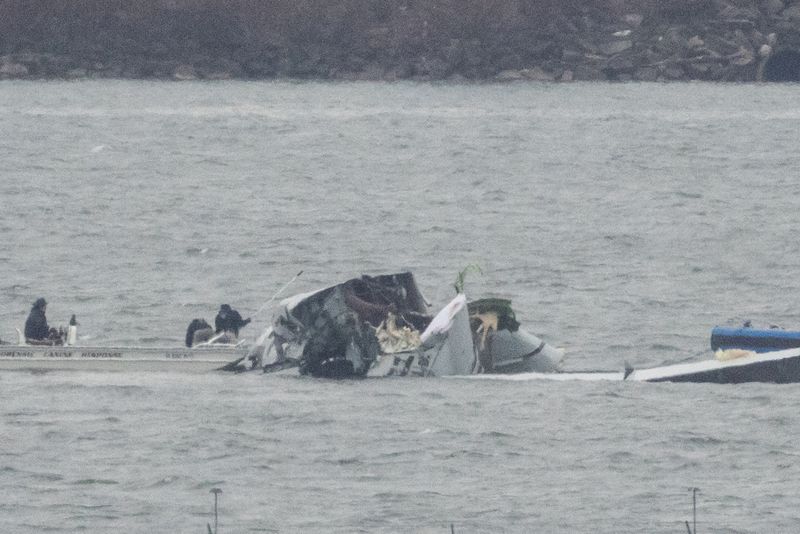
By David Shepardson
WASHINGTON, Dec 12 - U.S. Transportation Secretary Sean Duffy said on Friday he will not allow military helicopters and commercial passenger planes to come in close proximity to each other near Reagan Washington National Airport, despite a bill in Congress that some critics say could lead to unsafe traffic.
A January 29 crash near Reagan between an Army Black Hawk and an American Airlines passenger jet killed 67 people and sparked alarm about aviation safety. "We will not have fixed-wing and helicopter traffic cross in that airspace. It's not going to happen," Duffy said at a press conference, adding department lawyers are studying the language, but said safeguards will remain in place. "We control the civilian airspace ... We are going to drive safety no matter what happens."
On Thursday, lawmakers pressed to strengthen military helicopter safety rules proposed in an annual defense bill.
SAFETY REFORMS PROPOSED
Senate Commerce Committee Chair Ted Cruz, a Republican, and the panel's top Democrat, Maria Cantwell, filed an amendment to strike the military helicopter language in the defense bill and insert tougher requirements approved by the committee in October.
The Cruz-Cantwell bill would require aircraft operators by the end of 2031 to equip their fleets with an automatic dependent surveillance-broadcast system, also known as ADS-B. The advanced tracking technology allows aircraft to automatically broadcast their precise position, altitude, velocity and identity. Duffy, in July, expressed support for the reform measure.
The Cruz-Cantwell bill also proposes other safety reforms, including boosting oversight of mixed jet and helicopter traffic and flight routes near commercial airports.
The Army Black Hawk helicopter involved in the crash was flying above maximum altitude levels and not broadcasting ADS-B at the time.
After a close call in May, the Federal Aviation Administration barred the Army from helicopter flights around the Pentagon. The defense bill would require U.S. military helicopters on training missions to broadcast alerts to nearby commercial aviation aircraft, but does not specify the type of alerts. The Defense Department could waive the requirement if a risk assessment had been completed and those risks to commercial planes could be addressed.
National Transportation Safety Board Chair Jennifer Homendy also called the defense bill helicopter proposal "an unacceptable risk to the flying public."
(Reporting by David Shepardson in WashingtonEditing by Rod Nickel)

 Associated Press US and World News Video
 The Daily Beast
 People Crime
 CBS4 Miami
 RadarOnline
 Raw Story
 America News
 AlterNet