

 FOX 13 Tampa Bay Crime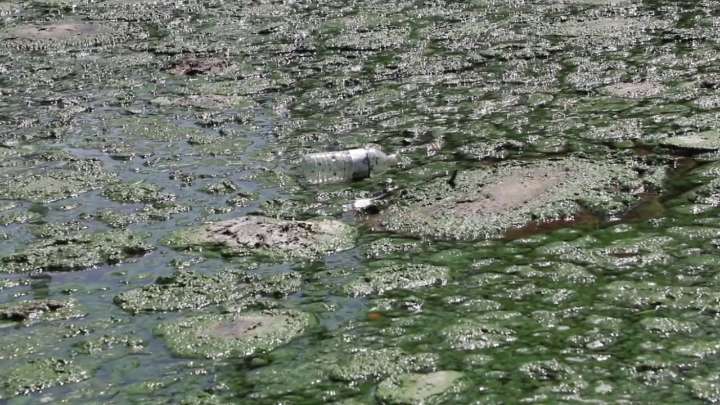
FORT MYERS, Fla. - Every summer, blooms of toxic blue-green algae reappear across Florida, turning lakes and rivers bright green, blue or forming brown clumps. They pose a serious threat to public health, pets, and wildlife.
What we know:
Dr. Barry Rosen, an ecologist at Florida Gulf Coast University (FGCU), has spent years collecting and studying samples.
"I have a collection of algae — cyanobacteria — that from around the country actually," he said, pulling out a sample from his lab. "This is a very thick culture of cylindrospermum… and it’s thriving."
Cyanobacteria emit different types of toxins — many still under investigation. The most common variety found in Florida ponds, Microcystis, produces microcystin, a known hepatotoxin that can damage the liver and kidneys.
"Microcys

 AlterNet
 Raw Story
 CNA Entertainment
 The Conversation
 Atlanta Black Star Entertainment
 Associated Press US and World News Video
 FOX News