

 The London Review of Books Literature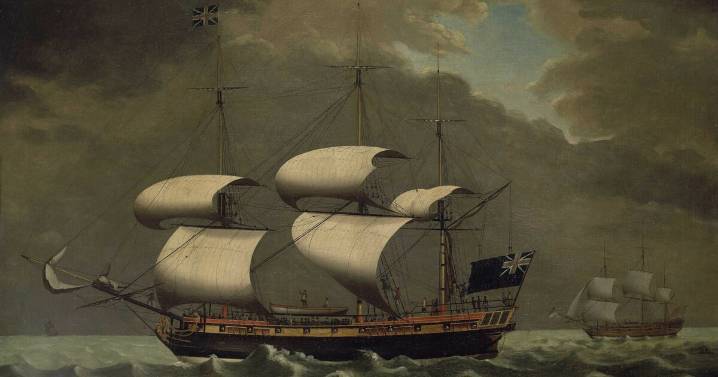
G rowing up in Liverpool we knew about mass violence. The Blitz had left bombsites that were thickest around the docks. The cenotaph in front of St George’s Hall told us what had happened to the men who enlisted there. Surrounded by Murphys and Rooneys you could hardly forget the Great Famine that pushed waves of Irish immigrants into Liverpool cellars and court housing. Before the Second World War, thirty thousand people still lived in such conditions, enduring the slow violence of poverty. Slum clearance during my childhood made a difference, but to walk into the centre of the city was to pass through terraced streets in which the old patterns were still to be seen.
There was a deeper substrate of violence. Between St George’s Hall and the waterfront is a commercial district that, i

 Associated Press US News
 America News
 E Online
 NBC Sports Soccer
 The Philadelphia Inquirer Crime
 The Conversation
 Raw Story
 The Daily Beast
 Oh No They Didn't