

 ScienceAlert en Español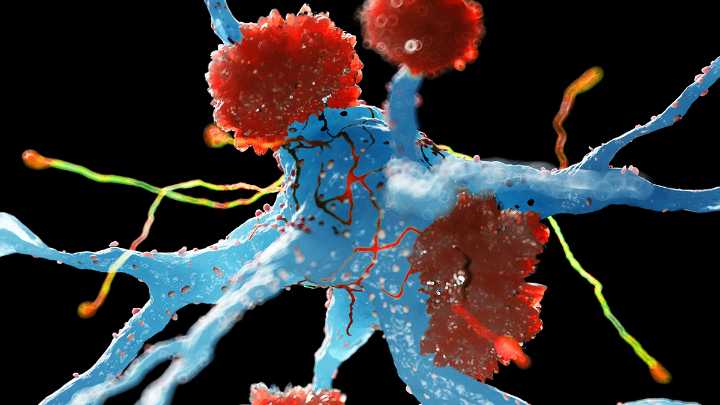
Specific immune cells in the brain may play a crucial role in preventing the onset of Alzheimer's disease , according to a new study – a discovery that could lead to new therapies that try to coax cells into this protective state.
Earlier studies have shown that immune cells in the brain called microglia can effectively tackle the symptoms of Alzheimer's , but also make them worse through inflammation.
Here, an international team of scientists took a detailed look at how microglia switch between those two helpful and harmful modes.
Using mouse models of Alzheimer's, Icahn School of Medicine neuroscientist Pinar Ayata and colleagues found that when microglia get close to the amyloid-beta protein clumps, a tell-tale sign of the disease, they enter a special state of neuroprotecti

 Newsweek Top
 People Top Story
 CNN Politics
 Northern Kentucky Tribune
 ABC News
 Associated Press Top News
 The Daily Beast
 Raw Story