

 Reuters US Business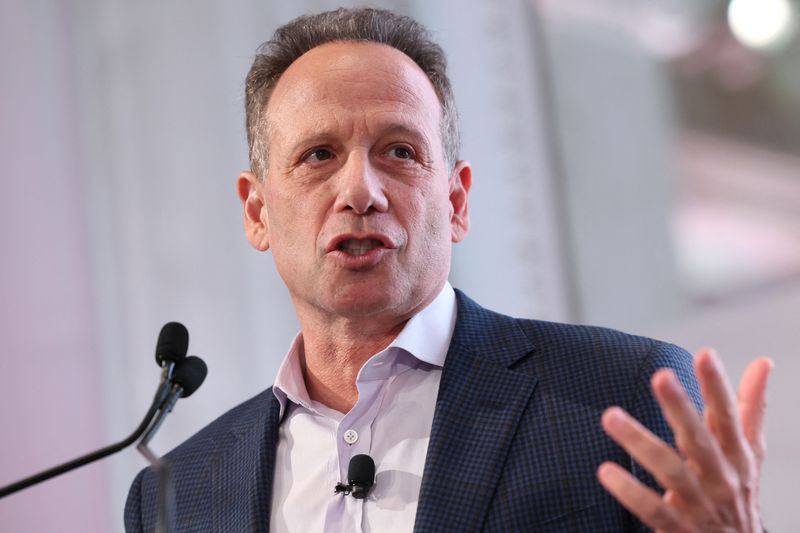
By Svea Herbst-Bayliss
NEW YORK, Dec 4 (Reuters) - Activist investor Jonathan Litt wants warehouse operator First Industrial Realty Trust to sell assets, return capital to shareholders and refresh its board, steps that could boost the stock price by 30%, according to sources familiar with the matter and a document seen by Reuters.
Even a review of strategic alternatives, including a possible sale, should be considered if other changes are not enough to eliminate the gap between First Industrial's share price and its net asset value, said the two people who are familiar with Litt's thinking but prohibited from discussing it publicly.
A representative for the company did not immediately respond to a request for comment.
Litt, whose Land & Buildings Investment Management owns a 1% stake in First Industrial, thinks highly of the company whose warehouses are used by Fortune 500 companies including Amazon and are located near some of the country's biggest urban areas, from southern California to eastern Pennsylvania.
Over the last decade the company has newly developed nearly 40% of its portfolio and disposed of more than 40% of its legacy portfolio. Still, Litt is concerned that investors have not fully appreciated First Industrial's portfolio at a time the company has some 2.3 million square feet that remain to be leased, the sources said.
More generally, industrial warehouses are seen to be attractive as new construction starts dropped dramatically over the last two years and e-commerce retailers require much more warehouse space than bricks-and-mortar retailers, industry analysts have said.
Land & Buildings plans to work closely with First Industrial's board and management team to come up with ways to boost the Chicago-headquartered company's share price, the sources said. First Industrial has a market valuation of roughly $7.4 billion and its stock closed trading at $55.93 on Wednesday.
The commercial real estate market has traditionally been attractive to institutional investors like pension funds who have used it as an asset stream that isn't tied to the stock market, something potentially appealing if investors begin to worry more about a possible artificial intelligence bubble.
(Reporting by Svea Herbst-Bayliss; Editing by Lincoln Feast.)

 CNBC
CNBC The Daily Sentinel
 News Radio 690 KTSM
 Minnesota Public Radio
 The Hollywood Gossip
 The Conversation
 New York Post Entertainment