

 National Geographic Science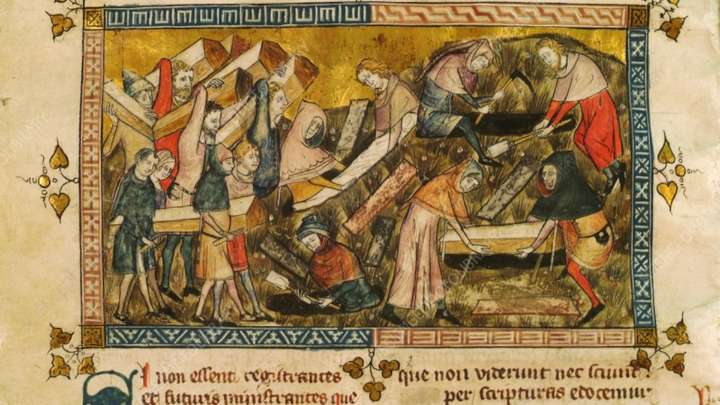
In A.D. 1347, the Black Death arrived in southern Europe. It swiftly spread across the Italian peninsula, killing half the population in some areas. Eyewitness accounts tell of entire households succumbing to plague, common graves dug for victims, and terror that overtook cities.
The plague ’s impact is infamous today, and scientists have extensively studied the Yersinia pestis bacteria that caused it, as well as the rats and fleas that spread it. But a new analysis implicates yet another collaborator: volcanoes.
Why the disease, which likely emerged in human populations in the early 1300s and ravaged communities in Central Asia in the 1330s, didn’t arrive in the Mediterranean until 1347 hasn’t been clear. The new study in the journal Communications Earth & Environment links th

 The Spectator
 Atlanta Black Star Entertainment
 Teslarati