

 Daily Voice
By Chris Spiker From Daily Voice
The New York Times is suing Defense Secretary Pete Hegseth over new Pentagon rules that the newspaper says are unconstitutional and give the Trump administration sweeping control over media coverage.
The Times filed the lawsuit in federal court in Washington, DC, on Thursday, Dec. 4. The suit focuses on the Pentagon policy, which has been rejected by most major media outlets, including the Associated Press, CNN, Fox News, NBC News, Reuters, The Wall Street Journal, The Washington Post, and USA Today.
The rules went into effect in October and require journalists to sign a 21-page agreement, setting restrictions on reporting efforts. Reporters who don't follow the rules could lose their press passes, and the Pentagon claims to have the "unbridled discretion" to enforce the policy.
Hegseth faces the lawsuit amid several other controversies over his Defense Department leadership.
Critics have accused Hegseth of committing a war crime with a "double tap" airstrike in September on a Venezuelan boat that the Trump administration claims was used by drug traffickers. A federal watchdog also determined that the former Fox News host put troops and military operations in danger by sharing sensitive information over the messaging app Signal.
The lawsuit accuses Hegseth and the DoD of violating the First Amendment.
"[The policy] seeks to restrict journalists' ability to do what journalists have always done — ask questions of government employees and gather information to report stories that take the public beyond official pronouncements," the lawsuit said.
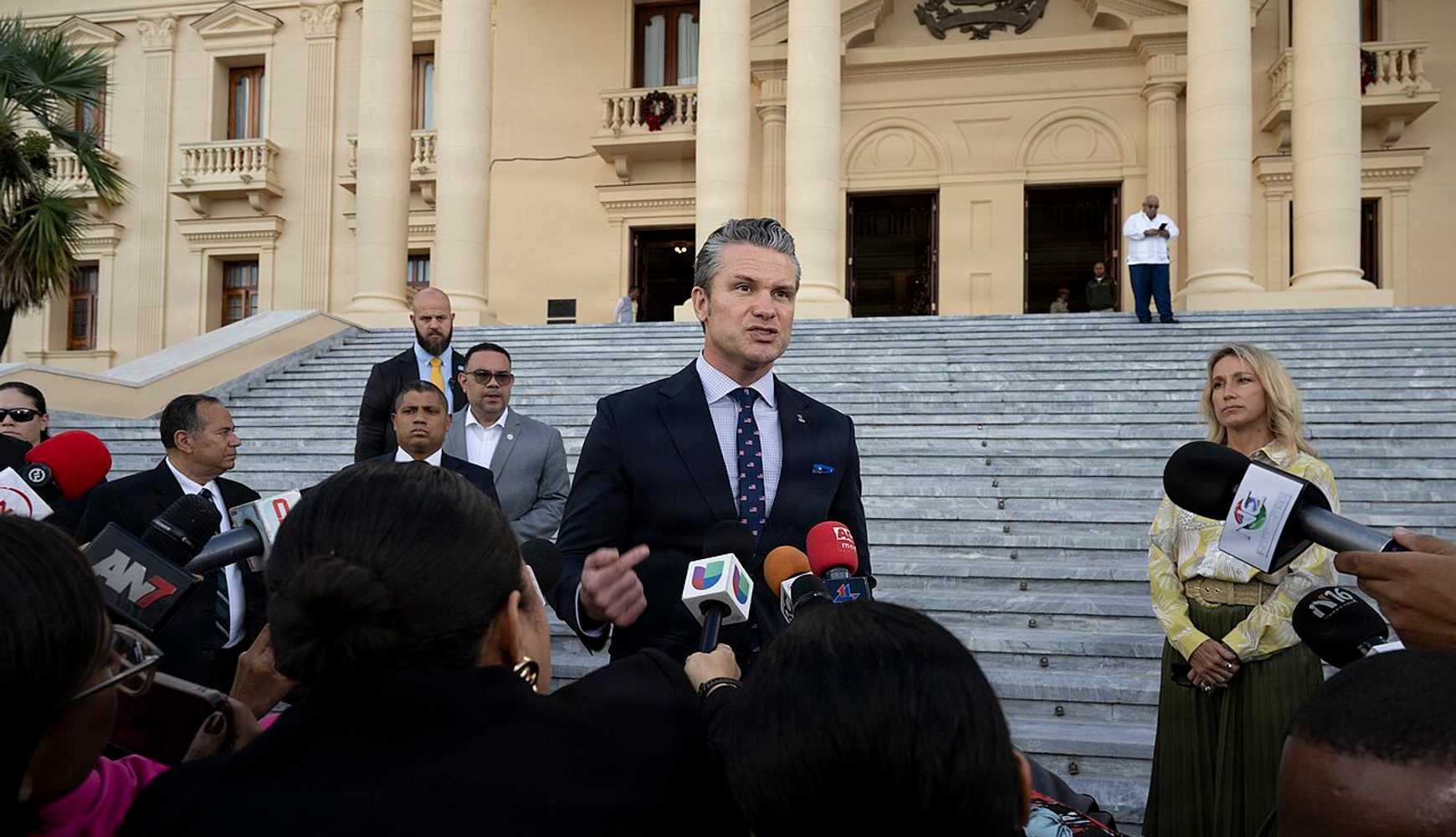
Defense Pete Hegseth speaks to reporters in Santo Domingo, Dominican Republic, on November 26, 2025.
Sean Parnell, the Pentagon's chief spokesperson, issued a statement to the Times.
"We are aware of the New York Times lawsuit and look forward to addressing these arguments in court," he said.
The Times asked a judge to block the policy and declare that provisions "targeting the exercise of First Amendment rights" are illegal. Hegseth, Parnell, and the DoD are named as defendants, while the Times and Pentagon reporter Julian Barnes are listed as plaintiffs.
Hegseth has aimed to restrict press access within the Pentagon, limiting where journalists can move in the complex. Several national media organizations have lost their workspaces, with pro-Trump outlets and right-wing influencers taking their place.
A week after the final version of the rules was released on Monday, Oct. 6, dozens of longtime reporters, including six Times journalists, surrendered their badges instead of signing the pledge.
Major news networks said the policy was an unprecedented attack on basic press freedoms and "threatens core journalistic protections."
Under the Pentagon's new rules, DoD officials are allowed to label a journalist "a security or safety risk" based on whether they disclosed classified or certain unclassified material. The policy also says that reporters aren't protected if they "solicit government employees to violate the law by providing confidential government information."
The Times said that asking sources to share information isn't illegal.
"The Pentagon has made clear that lawful, routine newsgathering techniques — asking questions of government employees and interviewing them for stories — whether on or off Pentagon grounds could, in the department's view, 'constitute a solicitation that could lead to revocation' of their [media credentials]," the Times said in its lawsuit. "Such communications are a core journalistic practice and a public good — the kind of basic source work that led to some of the most important news stories in history, including the Pentagon Papers."
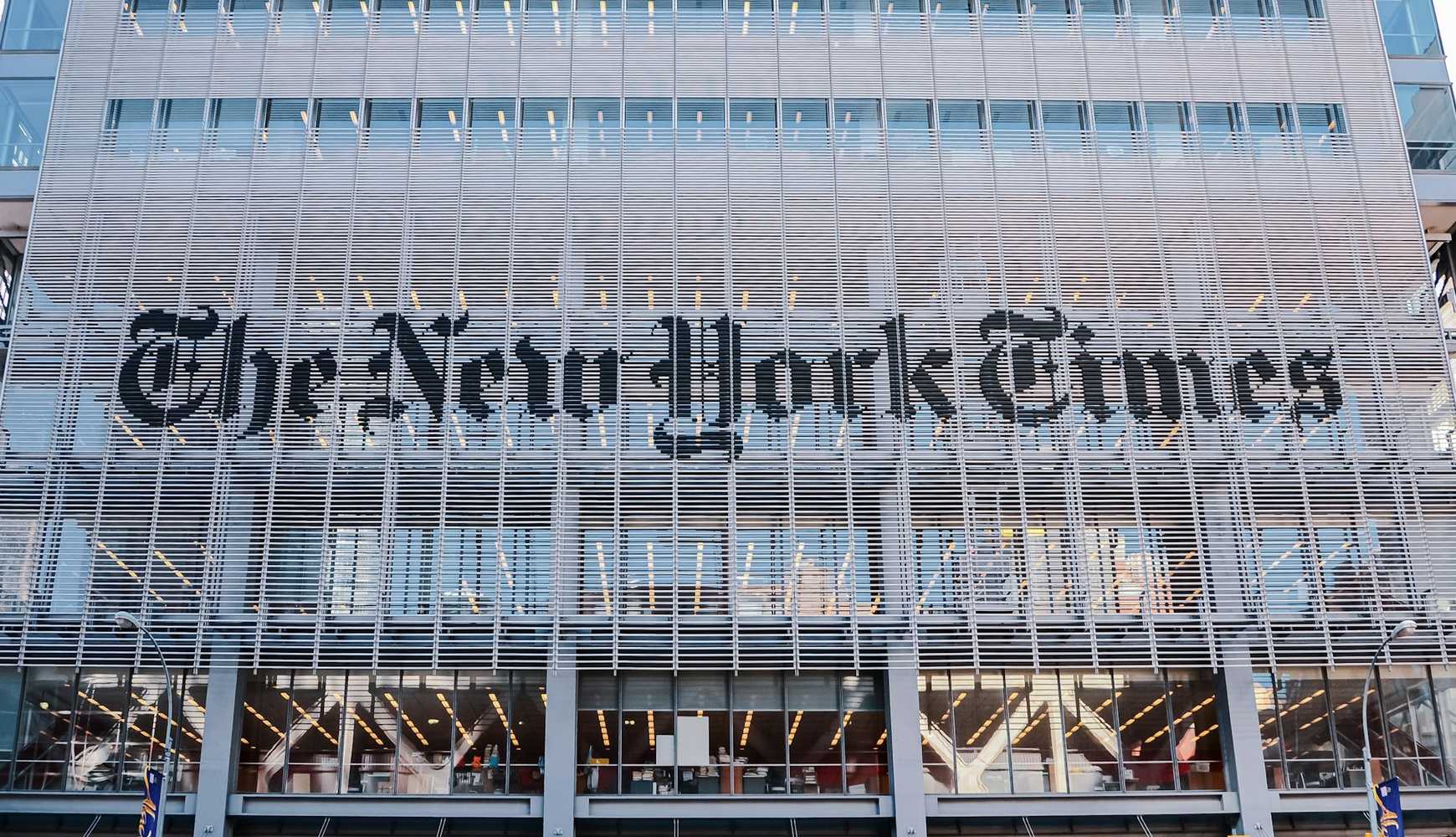
The Reporters Committee for Freedom of the Press showed support for the Times' suit.
"The Pentagon's press access policy is unlawful because it gives government officials unchecked power over who gets a credential and who doesn't, something the First Amendment prohibits," RCFP vice president of policy Gabe Rottman said in a statement. "The public needs independent journalism and the reporters who deliver it back in the Pentagon at a time of heightened scrutiny of the department's actions."
President Donald Trump signed an executive order in September to change the DoD's name to "Department of War," but the rebranding requires congressional approval.

 Louisville Public Media
 GV Wire
 Daily Kos
 CNBC White House
 Raw Story
 New York Post Opinion
 PBS NewsHour World
 KRGV Rio Grande Valley