

 Reno Gazette-Journal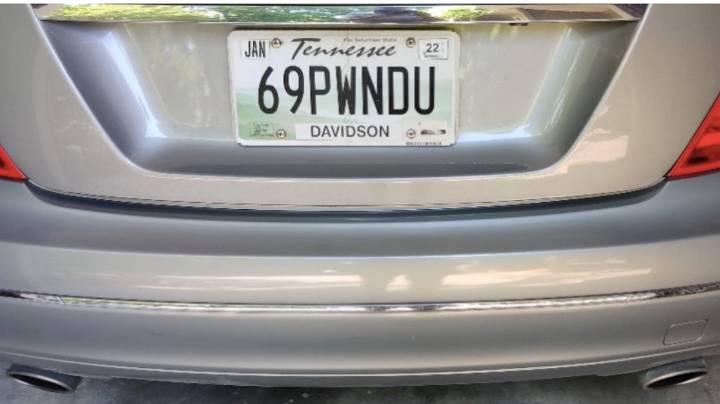
WASHINGTON − The Supreme Court won’t get involved in states’ regulation of vanity license plates, rejecting an appeal from a Tennessee woman challenging the rejection of her controversial '69PWNDU’ personalized plate.
The court on Dec. 8 declined to hear an appeal from Leah Gilliam, who argued that states’ rules for what is and isn’t allowed on personalized plates are often unclear and can amount to a “dizzying array of censorship.”
She wanted the court to find that she is expressing her own views through a vanity plate, not the government’s, a decision that would have limited states’ ability to control that message.
The justices reached the opposite conclusion in 2015 in upholding restrictions on the design of specialty license plates that support a cause or organization. States

 Associated Press US News
 6abc Action News Politics
 NPR
NPR Raw Story
 Reuters US Domestic
 Law & Crime
 AlterNet
 CBS News
 The Atlantic