

 Reuters US Top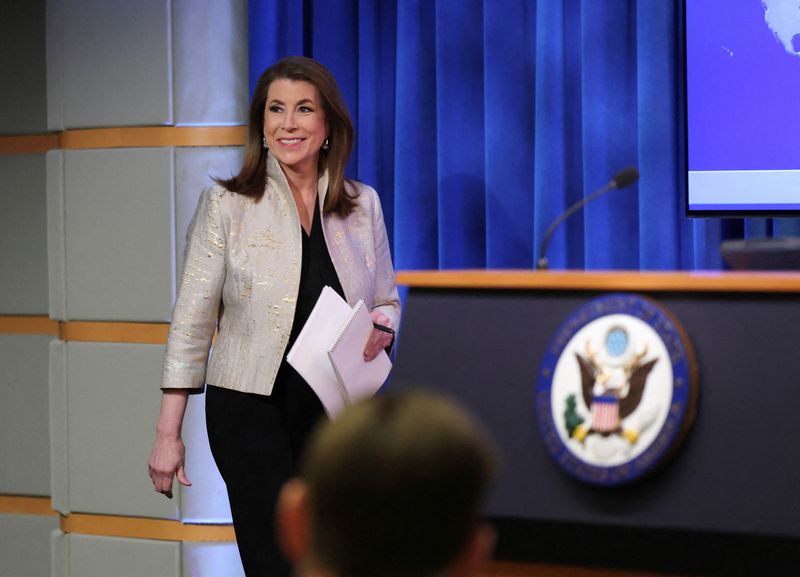
(Corrects to show that the nominations were advanced, not confirmed, in headline and paragraphs 1, 3-4, 7)
By Patricia Zengerle
WASHINGTON, Dec 11 (Reuters) - The U.S. Senate on Thursday advanced the nominations of dozens of President Donald Trump's picks for government positions, voting along party lines for nominees including conservative activist Leo Brent Bozell III to be ambassador to South Africa and former Fox News contributor Tammy Bruce to be deputy ambassador to the United Nations.
The tally was 52-47 in a procedural vote to advance the nominations of 97 nominees for ambassadorial and sub-cabinet level positions. The vote was along party lines with all of Trump's fellow Republicans voting in favor and every Democrat opposed.
Republican Senator Steve Daines of Montana did not vote.
Ambassadors on the list included Bozell, a conservative media critic who would take up his position at a time of fraying ties between the U.S. and South Africa.
Repeating debunked claims that whites are persecuted in South Africa, Trump has established a refugee program favoring white South Africans and cut aid to the country. In March, his administration expelled South Africa's ambassador to Washington, Ebrahim Rasool, who was described by Secretary of State Marco Rubio as a "race-baiting politician" who hates Trump.
Bozell's son was among the pro-Trump crowds who stormed the U.S. Capitol on January 6, 2021. He was convicted and sentenced to 45 months in prison but freed in January in Trump's mass pardon of participants in the attack.
Also advanced on Thursday was the nomination of Tammy Bruce as deputy U.S. representative to the United Nations. Bruce, a former Fox News contributor, served as State Department spokesperson during the first months of Trump's second term this year.
Following months of complaining that Democrats were slowing the installation of Trump's picks to important government positions, Republicans resorted to the so-called nuclear option in September to change the Senate's rules to give the minority party less ability to slow down nominations.
The rule change means that the majority can move large groups of nominees in one package for votes on confirmation, instead of one at a time.
The shift does not affect the confirmations of federal judges and heads of Cabinet agencies.
Senate divisions along party lines have widened since Trump began his second term on January 20. Republicans have nearly unanimously supported his nominees and initiatives, while Democrats have opposed them.
Each party has accused the other of refusing to compromise.
(Reporting by Patricia Zengerle; Editing by Paul Simao)
 ABC News
 CNN
CNN AlterNet
 Raw Story