

 ScienceAlert en Español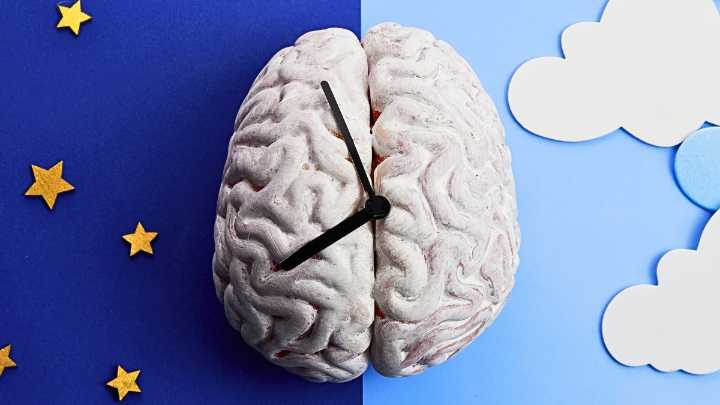
You've probably experienced it – your alarm is set for 6:30am, yet somehow your eyes snap open a few minutes before it goes off. There's no sound, no external cue, just the body somehow knowing it's time.
It might seem strange, but you didn't wake up by chance. It's your body clock at work – an amazingly precise internal timing system that regulates when you sleep and wake.
But how exactly does this built-in alarm clock work?
A hormonal wake-up call
Deep in the brain is a small group of neurons called the suprachiasmatic nucleus, often referred to as the body's "master clock". These neurons keep track of time by coordinating internal rhythms such as circadian rhythm (aligned with the 24-hour day) to regulate things like sleep, body temperature, hunger and digestion.
The circadian rhyt
 ABC News
 Associated Press US News
 Verywell Health
 The Conversation
 Columbia Daily Tribune
 The Cut
 AlterNet
 NBC News