

 New York Post Health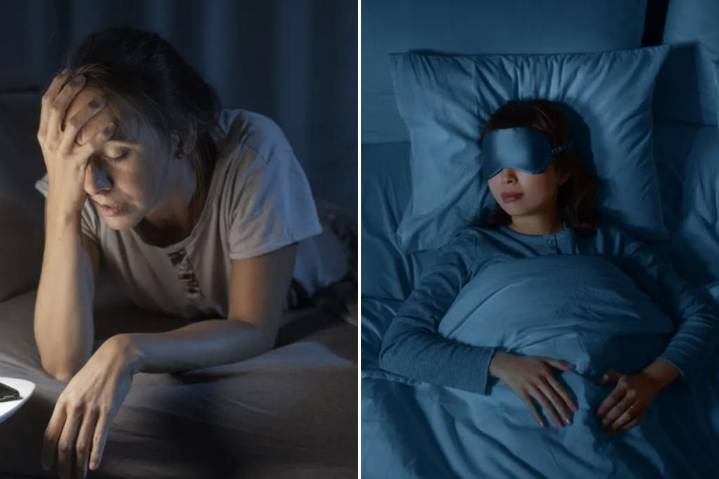
Failure to get a proper night’s rest could send you to the big sleep faster.
In a new study published this week, researchers from Oregon Health & Science University found that, far more than diet, exercise or loneliness, sleep quality stood out as a primary predictor of life expectancy, second only to smoking.
“I didn’t expect it to be so strongly correlated to life expectancy,” said senior author Andrew McHill, Ph.D., “We’ve always thought sleep is important, but this research really drives that point home: People really should strive to get seven to nine hours of sleep if at all possible.”
Beyond diet, exercise, and loneliness, sleep quality stood out as a primary predictor of life expectancy, second only to smoking. stokkete – stock.adobe.com
Over a third of adults fail to get
 ABC News
 Associated Press US News
 Cover Media
 Raw Story
 Reuters US Top
 The Atlantic
 Verywell Health
 WILX News 10