

 KLCC
KLCC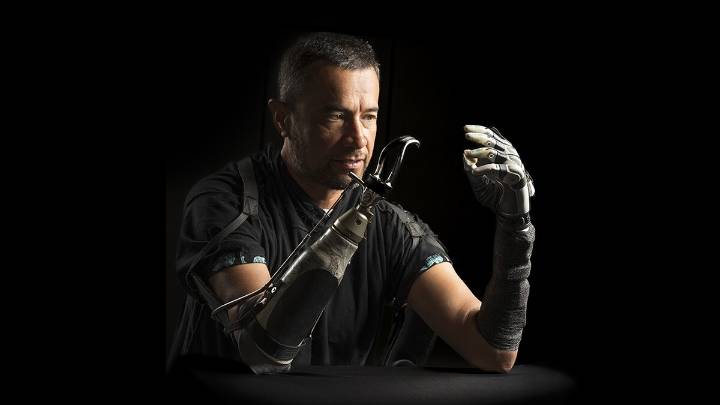
Researchers have built a prosthetic hand that, with the help of artificial intelligence, can act a lot more like a natural one.
The key is to have the hand recognize when the user wants to do something, then share control of the motions needed to complete the task.
The approach, which combined AI with special sensors, helped four people missing a hand simulate drinking from a cup, says Marshall Trout , a researcher at the University of Utah and the study's lead author.
When the sensors and AI were helping, the participants could "very reliably" grasp a cup and pretend to take a sip, Trout says. But without this shared control of the bionic hand, he says, they "crushed it or dropped it every single time."
The success, described in the journal Nature Communications , is notable
 ABC News
 Associated Press US News
 Cover Media
 Raw Story
 Reuters US Top
 The Atlantic
 Verywell Health
 AlterNet