

 NPR
NPR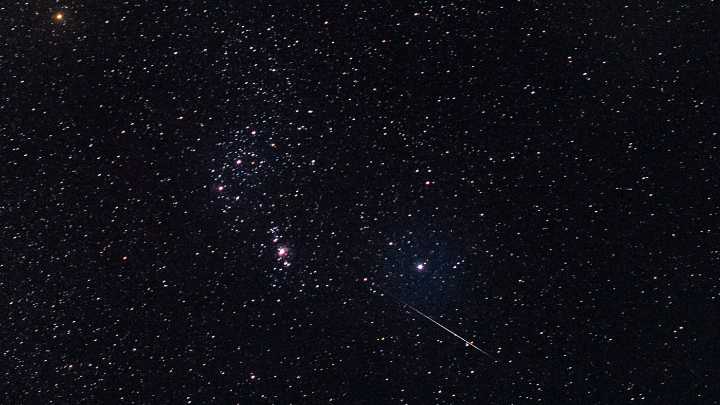
Turn your attention skyward Saturday evening and you should be able to catch the peak of the annual Geminids meteor shower.
The yellow dancing streaks light up the night sky every December with meteors zipping through the heavens at a rate of 120 an hour, according to NASA .
Stargazers in the Northern Hemisphere will have the best view, but the meteor shower will be visible in the Southern Hemisphere as well.
Most meteor showers are the debris left behind from comets — large, tailed blobs of ice and dust. But the Geminids shower originates from Asteroid 3200 Phaethon — a relatively small (3.17 miles across) — celestial oddity that scientists are still trying to understand.
Asteroids differ from comets in that asteroids are rocky metallic masses typically found in the asteroid belt

 KOLR10 News
 ABC30 Fresno World
 NEWS10 ABC
 Siskiyou Daily News
 Sarasota Herald-Tribune
 Futurism
 IFL Science
 Q105.7 & 103.5
 DoYouRemember?
 AlterNet
 New York Magazine Intelligencer
 Raw Story