

 TownTimes news.com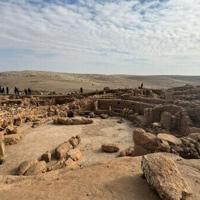
On the windswept hills overlooking Turkey's vast southeastern plains, new archaeological discoveries are revealing how life might have looked 11,000 years ago when the world's earliest communities began to emerge.
The latest finds -- a stone figurine with stitched lips, carved stone faces and a black serpentinite bead with expressive faces on both sides -- offer clues about Neolithic beliefs and rituals.
"The growing number of human sculptures can be read as a direct outcome of settled life," Necmi Karul, the archaeologist leading the dig at Karahan Tepe, told AFP.
"As communities became more sedentary, people gradually distanced themselves from nature and placed the human figure and the human experience at the centre of the universe," he said, pointing to a human face carved onto a T-s

 Just Jared
 AlterNet
 The Babylon Bee
 Women's Wear Daily Lifestyle
 The Daily Beast
 5 On Your Side Sports
 America News