

 Reuters US Domestic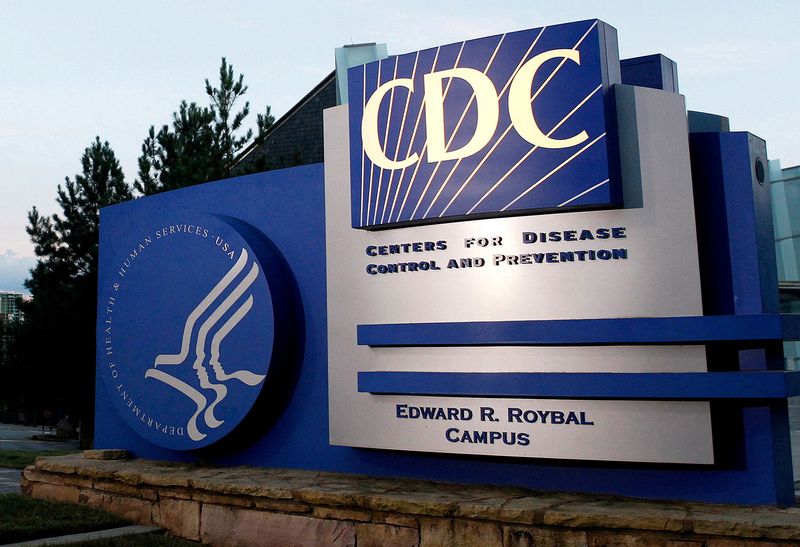
By Mariam Sunny
Dec 4 (Reuters) - Vaccine advisers to Robert F. Kennedy Jr. will vote on whether to scrap a broad recommendation for the hepatitis B vaccine for children on Thursday, leaving the choice to parents in most cases, marking the most significant shift in U.S. vaccination policy yet under the health secretary.
The US vaccine panel has proposed that only infants born to mothers who test positive for hepatitis B would be recommended to get the vaccine.
It suggested that for all other newborns, the decision be left to parents, in consultation with their healthcare provider. For those who choose to vaccinate against hepatitis B, it recommended they not do so before two months of age.
The advisers will also vote on a second proposal that would consider the need for subsequent hepatitis B vaccine doses, recommending parents and providers to test whether a child has already reached protective antibody levels before getting another shot.
The hepatitis B vaccine is currently recommended for all U.S. children as a three-dose vaccine, with the first given within 24 hours of birth. The subsequent doses at 1 to 2 months and 6 to 18 months are generally administered as part of combination shots to prevent other diseases like polio and pertussis.
Several experts decried the proposed changes.
The three doses are essential for lasting immunity, said Demetre Daskalakis, former director at the CDC's National Center for Immunization and Respiratory Diseases.
"Single doses can make the antibody test positive but those antibodies go away. The second and third dose consolidates long-lived immune memory, ensuring protection even after (the) antibody wanes," Daskalakis said on X.
Kennedy, a long-time anti-vaccine activist before becoming the nation's top health official, has made sweeping policy changes. They include dropping broad recommendations for Americans to get COVID-19 shots, recommending a split of the measles-mumps-rubella shot from varicella for those under age 4, adding new requirements for vaccine trials and cutting funds for mRNA-based vaccines.
The CDC's Advisory Committee on Immunization Practices (ACIP) advises the agency on what recommendations to adopt. The recommendations affect the health insurance coverage in the United States, and play a key role in assisting physicians in choosing appropriate vaccines for patients.
The U.S. universal birth dose policy, adopted in 1991, has cut infections in children by more than 95%, according to a review of more than 400 studies and reports by independent vaccine experts released on Tuesday.
"Ending universal hepatitis B vaccination will rob families of a chance to shield babies from cancer," said former committee member Noel Brewer.
In September, the revamped advisory panel postponed a vote on delaying the hepatitis B birth dose.
On Friday, the committee will review the U.S. childhood and adolescent immunization schedule and compare it with those in other developed countries. Aaron Siri, a lawyer and leading antivaccine activist, is scheduled to make a presentation on the topic.
Adjuvants will also return to the agenda, with a focus on aluminum-based additives in vaccines and exposure before 24 months of age.
(Reporting by Mariam Sunny in BengaluruEditing by Caroline Humer, Michael Erman, Bill Berkrot and Shinjini Ganguli)

 STAT News
 InForum
 Raw Story
 AlterNet
 Asheville Citizen Times
 The Hollywood Gossip