

 Daily Voice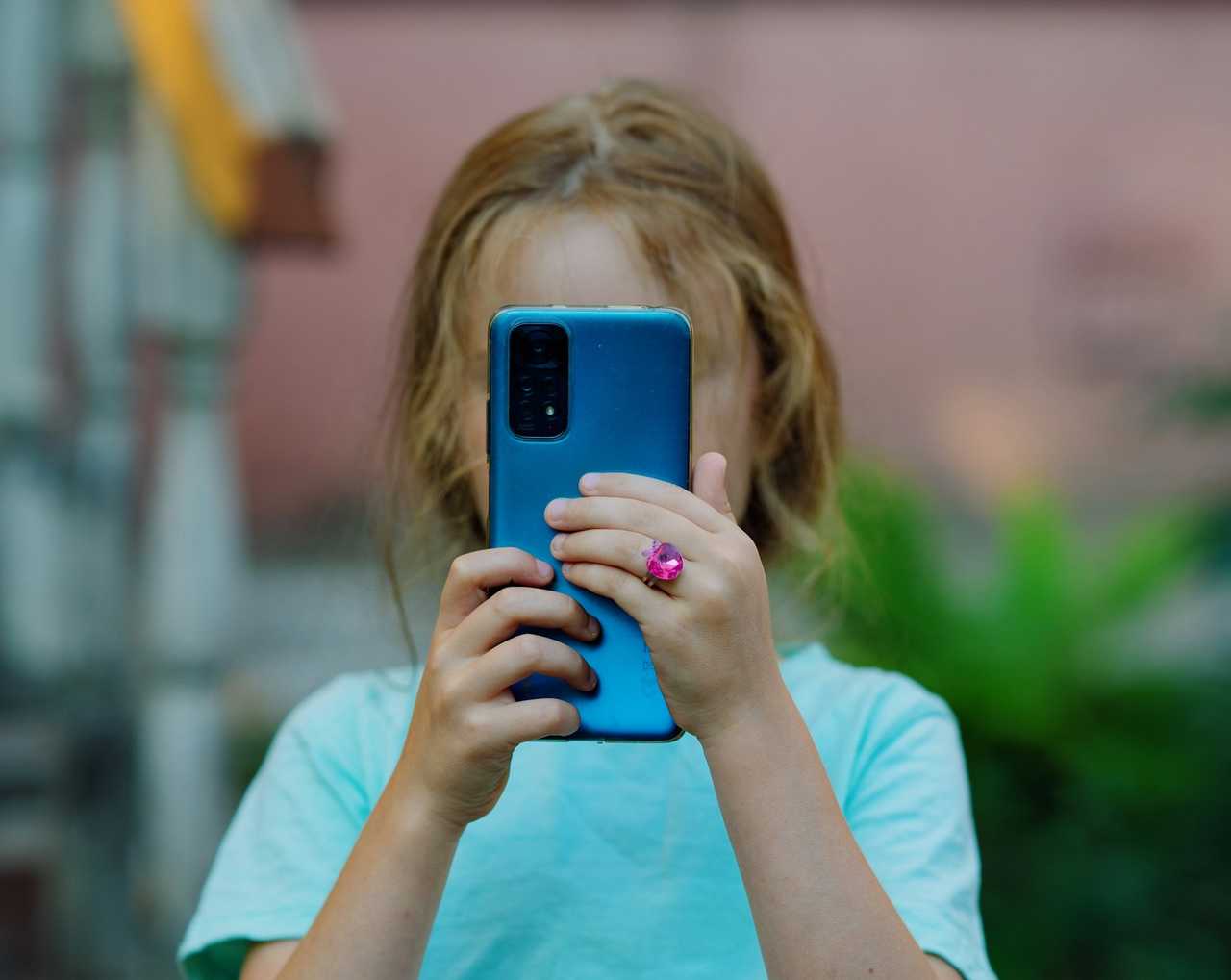
By Chris Spiker From Daily Voice
Children who get their first smartphone before they become teenagers are at a greater risk of physical and mental issues, according to new research.
University of Pennsylvania researchers led the study published in the medical journal Pediatrics on Monday, Dec. 1. According to the findings, 12-year-olds who owned smartphones had higher rates of depression (31%), obesity (40%), and insufficient sleep (62%) than kids who didn't own a device.
The study found that issues grew for even younger children receiving their first smartphone. The risk of developing health problems increased by about 10% for every year earlier a child got a smartphone, starting as young as four.
Dr. Ran Barzilay, a child and adolescent psychiatrist at Children's Hospital of Philadelphia, was the study's lead author. He told ABC News that the study aimed to answer a question most modern parents ask: When should they give their child their first smartphone?
The UPenn assistant professor said that his older two children got smartphones before turning 12.
"I have a nine-year-old who wants a phone, and I think [whether to get them a smartphone] is a question that is relevant for every parent of a kid going into adolescence, even before adolescence," Dr. Barzilay said.

A smartphone.
The researchers noted that while smartphones offer benefits like connecting with friends and learning information, parents should set boundaries to protect kids. That could include keeping phones out of bedrooms at night and encouraging activities that don't require a device.
The study also found that kids who were 13 when they got their first smartphone also had worse mental health outcomes and poor sleep.
"This was quite surprising, I must say," Dr. Barzilay said. "We designed the study with a question in mind to try and test it, but to find it was quite compelling."
The study's team, which included researchers from Columbia University and the University of California, Berkeley, analyzed data from more than 10,500 participants in the Adolescent Brain Cognitive Development Study. The National Institutes of Health-backed assessment tracked brain development from childhood through the teen years from 2016 through 2022.
The UPenn findings come about a week after a separate study found that a one-week social media detox significantly improved depression, anxiety, and insomnia in young adults struggling with "problematic or addictive social media use."

 The Hill Technology
 CBS Sacramento Dixon News
 People Top Story
 WTOP
WTOP Raw Story
 AlterNet
 Bozeman Daily Chronicle Sports
 The Conversation
 The Babylon Bee
 Nola Sports
 The Fashion Spot