

 Daily Voice
By Chris Spiker From Daily Voice
Holiday spending is climbing in 2025, but the divide between higher-income and lower-income shoppers is growing as many families face rising prices and tighter budgets.
US retail sales rose 4.1% on Black Friday, Mastercard SpendingPulse said on Saturday, Nov. 29. According to the credit card giant, online sales jumped 10.4% from Black Friday in 2024.
Mastercard said spending grew quickly in New England, boosted by sales of cold-weather clothing and winter gear.
"Consumers are showing incredible savviness this season," said Michelle Meyer, chief economist at the Mastercard Economics Institute. "They're navigating an uncertain environment by shopping early, leveraging promotions, and investing in wish-list items."
Financial experts point to the "K-shaped economy" that has grown throughout 2025. The concept illustrates rising wealth inequality as wealthier households keep spending, while less wealthy families reduce their purchases.
The "K-shaped" gap is seen in how the National Retail Federation (NRF) forecasts holiday spending to hit $1 trillion for the first time, even as low- and middle-income households struggle with high prices.
"The story of the economy right now is it's a bifurcated economy," financial writer Rick Newman told CNN. "If you're lucky enough to own stocks and own a home, you're part of the upper slant of that cave, that K-shaped economy... you're going to be comfortable spending a fair amount of money this year."
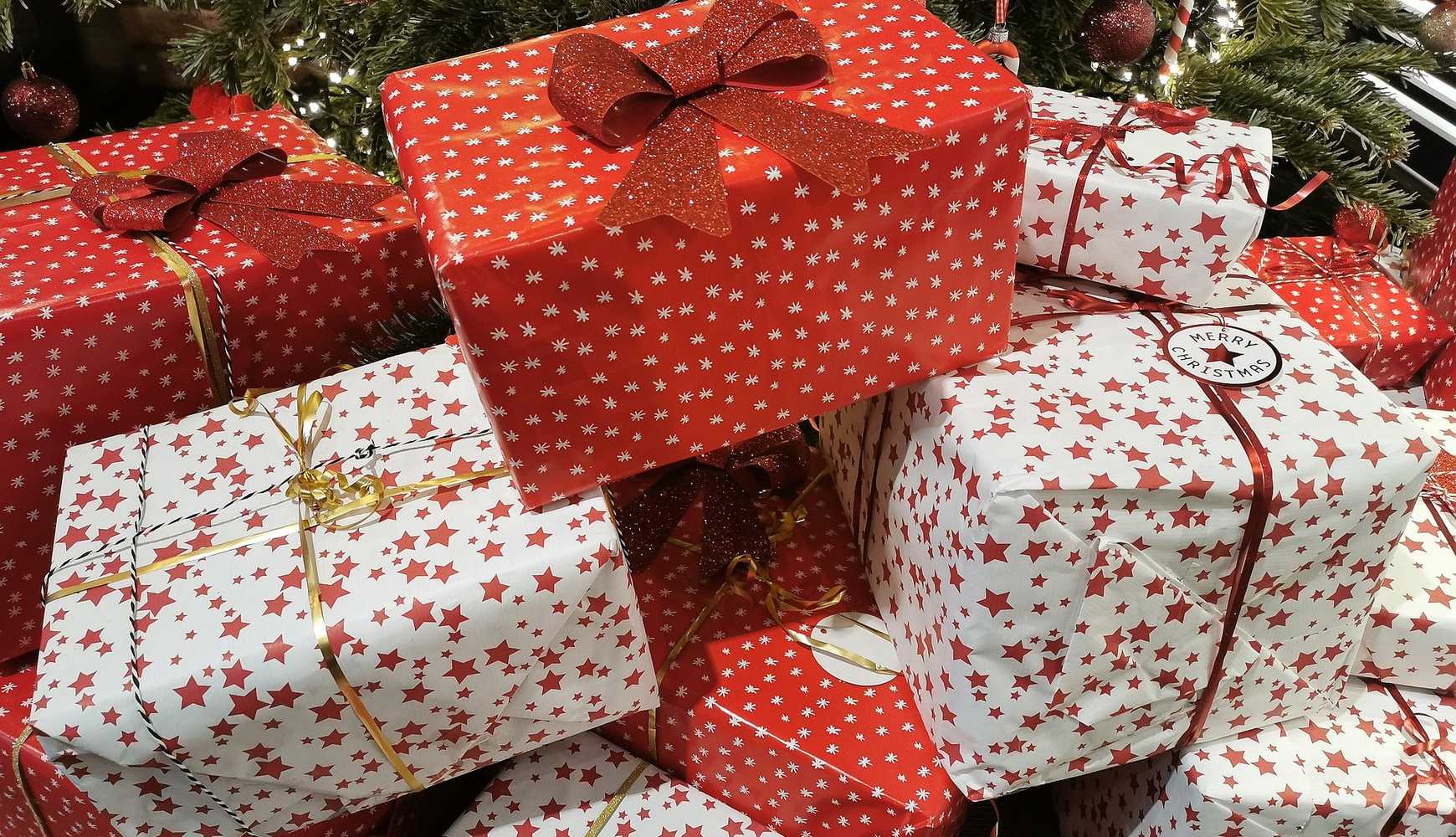
A pile of presents under a Christmas tree.
The Federal Reserve's latest Beige Book, which includes observations about the economy, found that consumers on the K's "upper slant" keep purchasing luxury items and vacations.
"The ones that have higher income are spending at will, but those who are less affluent are budgeting," national consumer expert Claudia Lombana told CNN.
The Black Friday spending increase also doesn't account for inflation, which remains stubbornly high at 3%. Newman notes that despite the reported 4.1% rise, the "real increase" is around 1% when factoring inflation into the data.
President Donald Trump's widespread tariffs are also affecting shoppers, with about 85% expecting higher prices due to his duties on imports.
"Nobody is sort of going on an item-by-item basis and saying, 'Oh, the Trump tariffs have pushed up costs here by 4% or 10%,' but it's on people's minds," Newman said.

President Donald Trump at the annual pardoning of Thanksgiving turkeys in the White House Rose Garden on November 25, 2025.
Consumer confidence in November plunged to its lowest level since the aftermath of Trump's "liberation day" tariff announcement in April. WalletHub found that 65% of Americans expect the "Grinch economy" to make the holidays "less fun" as they slash their budgets.
More shoppers are turning to "buy now, pay later" services to get short-term coverage for their holiday purchases. Adobe Analytics forecasts $20.2 billion in BNPL spending throughout November and December, an 11% increase over 2024.
Experts warn that BNPL services like Affirm, Afterpay, and Klarna can force shoppers into a "debt trap."
"BNPL's popularity has exploded in part because it's easier to get than many other loan types," LendingTree chief consumer finance analyst Matt Schulz wrote. "However, that easy access also makes it dangerous. Getting more than one loan at a time makes managing them more challenging, especially since most of these payments are tied to checking accounts. Having multiple loans means you have to be certain you'll have enough money in your account to make payments on all those loans when they're due, typically every two weeks."
According to LendingTree, 41% of BNPL users said they paid late on one of their loans in the past year, up from 34% in 2024.

 Eyewitness News 3
 The List
 Oh No They Didn't
 Mediaite
 The Travel